If you're a public adjuster, you're going to need social media. That part is not optional anymore. But there is a difference between using social media and being used by it, and most PA firms we audit are firmly in the second category.
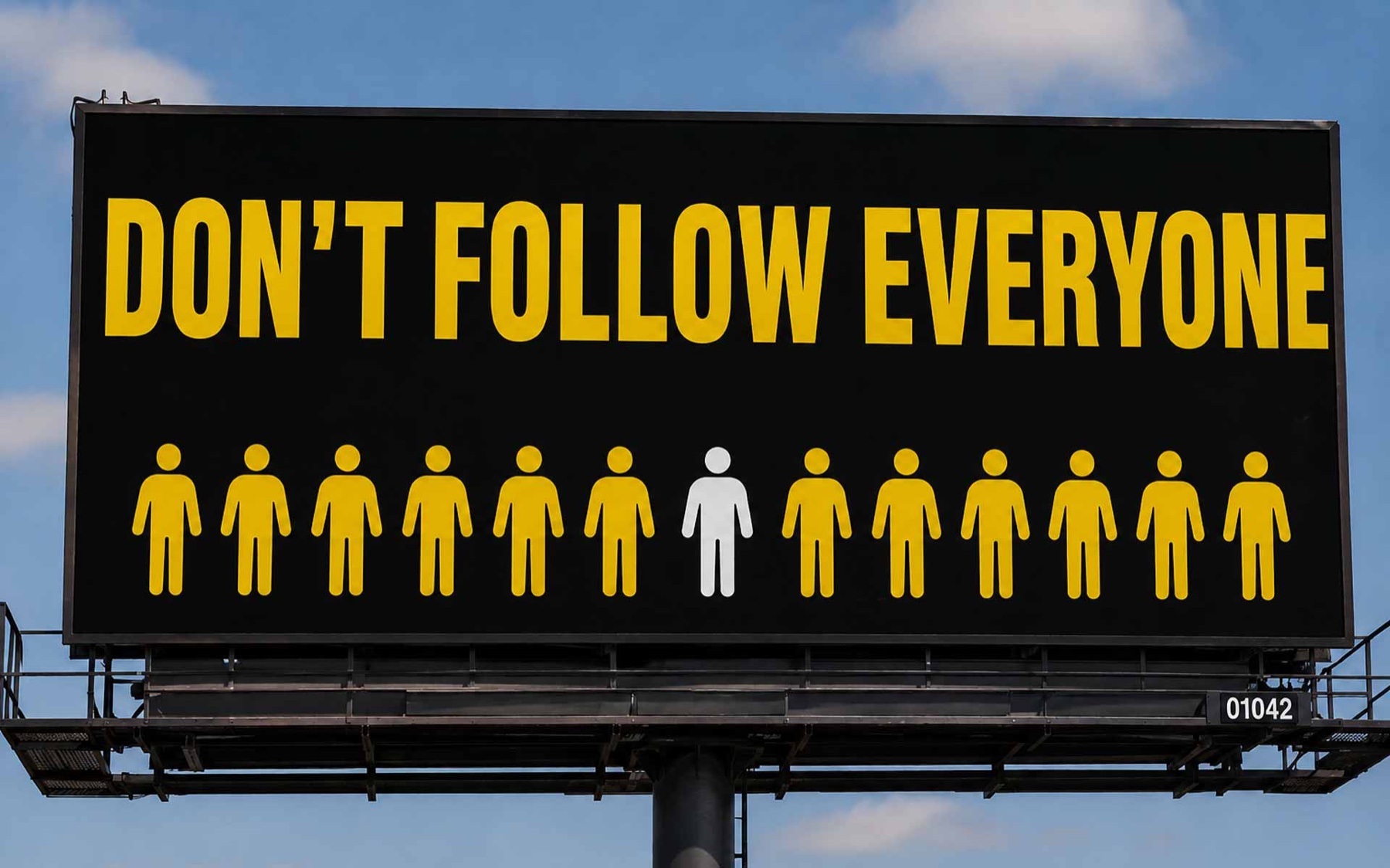
Here is the uncomfortable truth this article is built on: your followers are not your business. As long as they stay inside Instagram or Facebook, they are someone else's business. They only start working for you the day you pull them out.
This is the second of three rules we apply on every public adjuster account we manage, backed by more than 10 years of hands-on work with PA firms across the United States. No fluff. Just the mechanics of how this actually works.
Who Do Your Followers Actually Belong To?
Think about what a platform like Instagram sells. It does not sell software. It does not sell ads in the abstract. It sells attention, and the attention it sells is your followers'.
Every minute one of your followers spends scrolling, watching, and tapping inside the app, the platform is monetizing them. They see ads. They generate data. They feed the recommendation engine. That is the business model, and it is a very good one. For the platform.
Now ask yourself what you get from that same follower during that same minute. If the answer is "they saw my post," you got brand exposure. That is worth something, but it is not a signed contract, a phone call, or a claim file. Inside the platform, your follower is a business for someone else. Outside the platform, on your contact list, in your CRM, in a WhatsApp conversation, that same person can become a business for you.
This is why we tell every public adjuster the same thing: your real asset is your client base, not your follower count.
Is It Better to Have More Followers or the Right Followers?
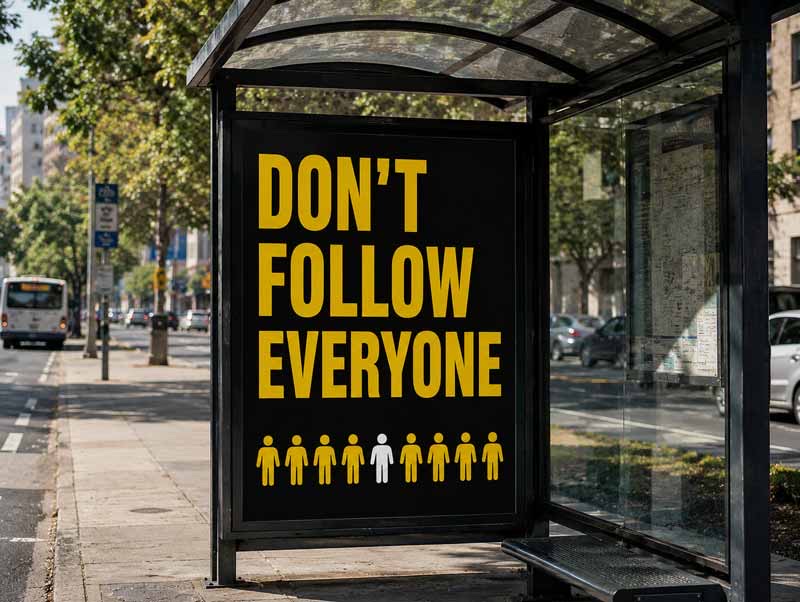
If your followers are correctly selected, meaning they match your buyer persona, the people who actually have the problems you solve, then every one of them is a potential case. If they are not, they are decoration.
Run this test on your own account. Open your follower list and scroll through the last 100 people who followed you. How many of them hold a property title? How many own a home or a business in the markets you serve? How many could, under any realistic scenario, pick up the phone after a storm and need a public adjuster?
For most PA accounts we review, the honest answer is "not many." The list is full of other public adjusters, marketers, vendors, and random accounts. Social media has a strong ego component. Other public adjusters like you do not consume the content you create for your potential clients. They are your colleagues, sometimes your competitors, never your customers.
That is why it is more valuable to be followed by 150 homeowners than by 1,500 enthusiasts who do not hold a property title. The 150 homeowners can become claims. The 1,500 enthusiasts become a vanity number on your profile and raw material for the algorithm.
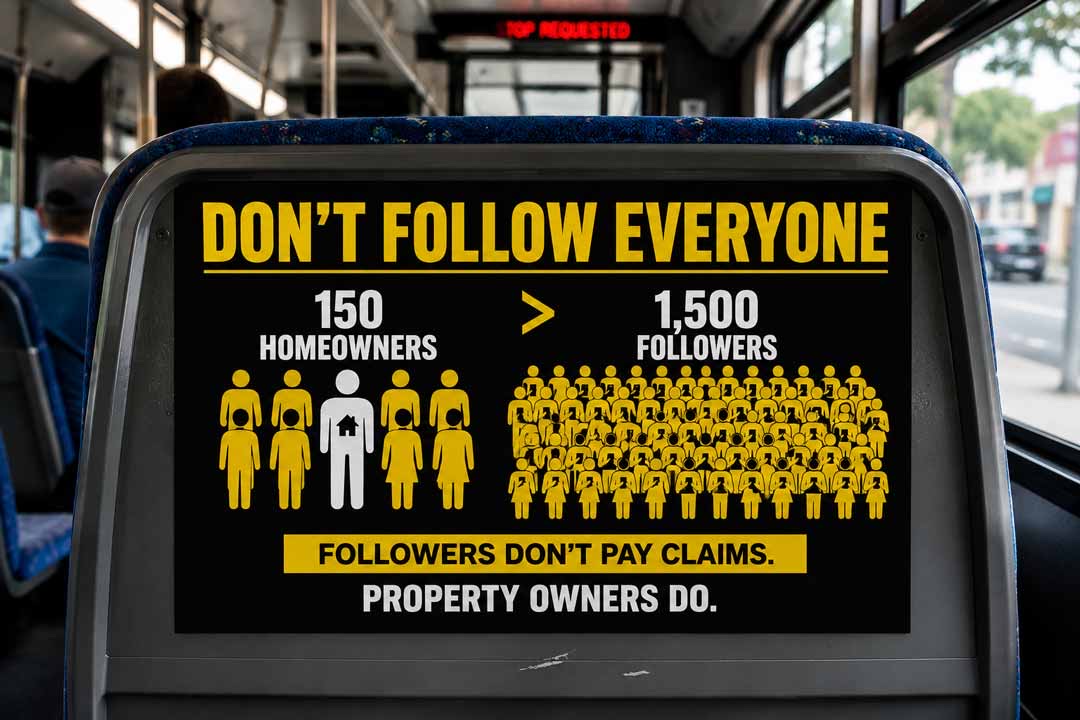
And remember the first rule that pairs with this one: do not dedicate more than about 20 percent of the people you follow to fellow public adjusters. Around 60 percent of the people you follow should be your buyer persona. If you have 1,000 followers who do not generate business, all you are doing is feeding the algorithms.
What Does "Pulling Followers Off the Platform" Actually Mean?
Pulling a follower off the platform means converting an in-app relationship into a contact channel you own and control. In practice, for a public adjuster, that happens through three doors:
A landing page. A simple page on your own website where a follower leaves their name and contact information in exchange for something useful: a claim-readiness checklist, a guide to documenting damage, a free assessment. Once they are on your list, the platform's algorithm no longer decides whether they hear from you.
A WhatsApp contact. For this audience, WhatsApp is the highest-intent channel there is. A follower who sends you a one-line message has done something the algorithm cannot fake: they started a conversation. From that point on, you are not competing with every other post in their feed.
A phone call. The oldest door is still the best one. A follower who calls is a lead. Everything before that call is marketing.
The pattern across all three is the same. Your followers should feed your client base, not Facebook's or Instagram's algorithm. The content you publish is not the destination. It is the bridge.
How Do You Build Content That Moves People Off the Platform?
You do not need to be aggressive about it. You need to be consistent. A few principles we apply on managed accounts:
Every piece of content has exactly one job. One argument, one call to action. A carousel that ends with "DM us, call us, visit the site, and check the link in bio" gives the viewer four doors and they walk through none. Pick one door per post.
Make the off-platform step small. "Send us one message on WhatsApp" converts better than "schedule a consultation." The first conversation is the asset. Everything else can be built from it.
Talk to homeowners, not to other adjusters. This goes back to the follower-quality question. If your captions are full of industry jargon, you are writing for colleagues. Write about the situations your buyer persona actually lives through: the storm, the denied claim, the underpaid settlement, the recovery.
Track conversations, not likes. The metric that matters is how many real conversations your content started this month. Ten WhatsApp conversations from 200 followers beat zero conversations from 2,000.
There is also a longer game here. The same discipline that builds a real client base on social media, clear answers, consistent presence, content organized around the questions your clients actually ask, is what makes your firm visible to AI engines. When a homeowner asks ChatGPT or Gemini to recommend a public adjuster in your city, those engines look for firms with a clear, structured footprint. You can check in 60 seconds how visible your firm is to them with a free scanAEO audit. Different channel, same principle: own your presence instead of renting it.
What Should You Do With the Followers You Already Have?
Start with an inventory, not a campaign.
- Audit your current followers. Estimate what percentage match your buyer persona. Be honest. This number tells you whether your next 90 days should focus on attracting better followers or converting the good ones you already have.
- Create one off-ramp. One landing page or one WhatsApp entry point. Not five. One door, clearly signposted in your bio and at the end of your content.
- Give your best followers a reason to walk through it. Useful, specific, homeowner-facing value. Not "contact us for more information."
- Measure conversations started per week. That is the number that turns social media from a vanity exercise into a client acquisition channel.
Your follower count will still be there, and it will still feel good when it grows. Just remember whose business those followers are until you pull them out. The platforms already have a great business model. Build yours.
Want a second set of eyes on your account? We work with public adjusters every day and we will tell you straight whether your followers are an asset or decoration. Send us one message on WhatsApp: (305) 606-0395.
FAQ
Why doesn't a high follower count generate cases for a public adjuster?
Because followers only produce business when they match your buyer persona and when they move into a channel you control, like a contact list, WhatsApp, or a phone call. Inside the platform, followers generate value for the platform, not for your firm.
What does it mean to pull followers off the platform?
It means converting an in-app follower into a direct contact through a landing page, a WhatsApp conversation, or a phone call. Once the relationship lives in a channel you own, the platform's algorithm no longer decides whether that person hears from you.
Who should a public adjuster's followers be?
Mostly your buyer persona: homeowners and business owners in the markets you serve who could realistically need help with an insurance claim. Other public adjusters do not consume the content you create for potential clients, so they should be a small share of who you follow and who follows you.
What metric should a public adjuster track on social media?
Conversations started. Likes and follower growth are secondary signals. The number of real conversations your content opens each week, on WhatsApp or by phone, is what connects social media to signed contracts.